 +1 289 719 0290
- Progressive Cargo Inc-855 Matheson Blvd East, Unit 1B, Mississauga, ON, L4W 4L6
+1 289 719 0290
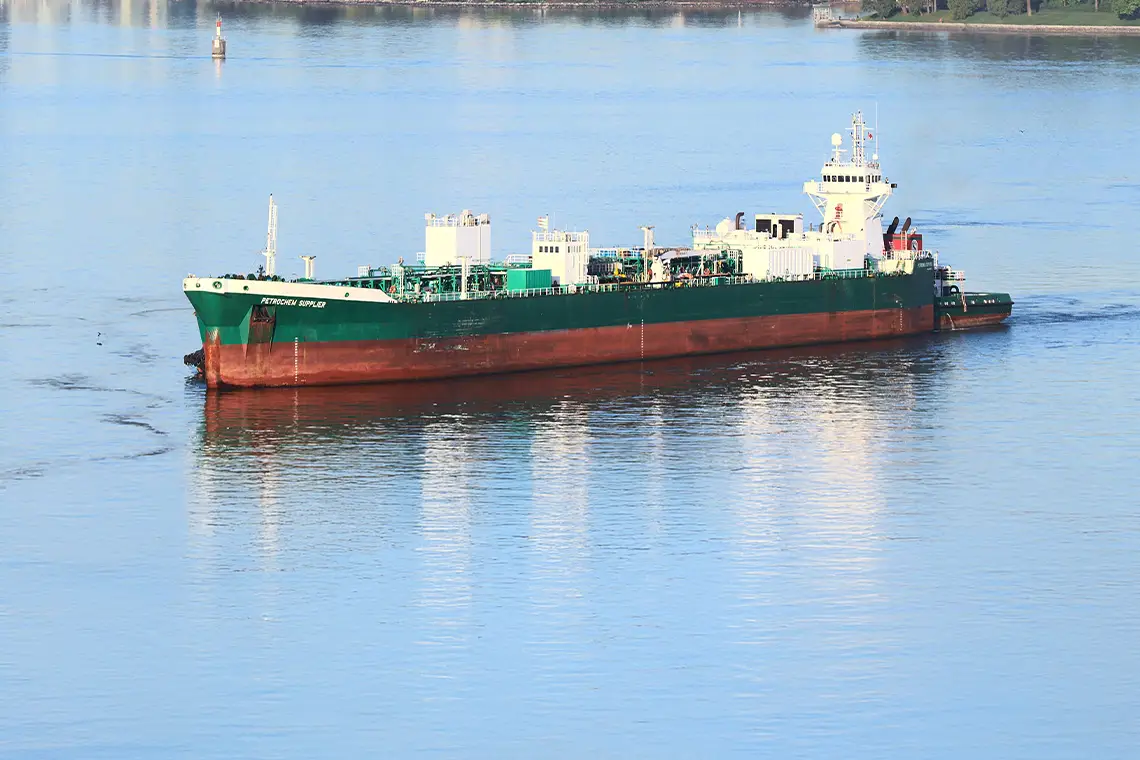
Global expansion often begins with a simple question that grows heavier with every meeting. How do we move goods across oceans without losing time, money, or control? For Canadian businesses stepping into international markets, that question usually leads to ocean freight services in Canada.
At Progressive Cargo, we see this moment often. A company is ready to scale, suppliers are aligned, customers are waiting, and the shipment itself becomes the bridge between intention and execution. Ocean freight sits at the center of that bridge. It is not just transport. It is planning, compliance, coordination, and risk management working together in real time.
Canada’s geography quietly shapes trade decisions. With coastlines on three oceans and deep-water ports that connect to Asia, Europe, and South America, ocean freight is the backbone of long-haul cargo movement.
Businesses rely on it because it offers:
For growing businesses, ocean freight allows scale without constant reinvention. Once the structure is right, it holds.
Understanding ports is not optional. It affects transit time, customs flow, and inland delivery costs.
| Port | Strategic Value |
| Vancouver | Primary gateway to Asia-Pacific markets |
| Montreal | Direct access to Europe via the Atlantic |
| Halifax | Deep-water port with fast vessel turnaround |
| Prince Rupert | Shortest sailing time to North Asia |
Each port behaves differently. Weather patterns, congestion cycles, rail connectivity, and customs clearance speed all play a role. We help clients choose ports based on cargo profile, not convenience.
Ocean freight is not one-size-fits-all. Choosing the wrong structure can quietly drain margins.
Best for businesses shipping large volumes. One shipper, one container, sealed at origin and opened at destination. Lower risk, cleaner documentation flow.
Used when volumes do not fill a container. Cargo is consolidated with other shipments. Cost-effective, but timing and handling require closer oversight.
Used for oversized or non-containerized goods. This is where experience matters most. Equipment, port coordination, and vessel planning must align perfectly.
This is also where an experienced ocean freight company in Canada proves its value, especially when cargo does not fit standard rules.
Paperwork is often underestimated. Yet most delays do not happen at sea. They happen on paper.
Key documents include:
Errors here ripple across the entire shipment. At Progressive Cargo, we treat documentation as cargo itself. It moves alongside the freight, checked, verified, and timed carefully.
Some shipments refuse to behave. Heavy machinery, energy equipment, plant relocations. These require precise sequencing, not shortcuts.
Our experience with project cargo handling means planning lift points, selecting vessels, arranging port equipment, and coordinating inland transport as one continuous operation. No silos. No assumptions. Just measured execution.
This level of planning is often the difference between a smooth delivery and weeks of avoidable disruption.
Ocean freight pricing goes beyond base rates.
| Cost Element | What It Covers |
| Ocean Freight Rate | Vessel space and transit |
| Bunker Adjustment Factor | Fuel cost fluctuations |
| Port Charges | Terminal handling and storage |
| Inland Transport | Rail or trucking to final destination |
| Customs Clearance | Duties, taxes, and broker fees |
Understanding these early prevents budget shock later. We build cost visibility into planning conversations, not after invoices arrive.
We work with businesses that are not experimenting. They are expanding. That changes the conversation.
At Progressive Cargo, we:
We stay close to the shipment because distance does not reduce responsibility.
Global expansion rewards preparation. Ocean freight services in Canada give businesses the reach they need, but only when supported by structure, clarity, and experienced coordination.
For companies building long-term trade lanes, the right freight partner matters. At Progressive Cargo, we treat every shipment as part of a larger story, whether it is a first export or a complex project on freight forwarding Brampton guiding industrial cargo across continents.
Also Read:-
Digital Freight Matching: The Future For Liquid Bulk Freight Brokers
ISO Tanks vs. Flexitanks vs. Bulk Tankers – What’s Best for Your Bulk Liquid Shipment?
More Useful Links:-
Ground Shipping Company | Freight Forwarding in Canada | Logistics Transportation Services
Q. How does ocean freight support long-term global expansion?
Ocean freight allows businesses to move large volumes at predictable costs. It supports stable supply chains, planned inventory cycles, and access to distant markets without constant pricing volatility, making it ideal for structured international growth strategies.
Q. What factors should businesses consider when choosing Canadian ports?
Port choice depends on cargo type, destination market, transit time sensitivity, inland connectivity, and seasonal congestion. Weather patterns, customs efficiency, and rail access also influence reliability and total landed cost.
Q. When is FCL better than LCL shipping?
FCL is better when shipment volumes are high or timing and cargo security are critical. It reduces handling, minimizes risk of damage, and often shortens transit time compared to consolidated LCL shipments.
Q. Why is documentation critical in ocean freight shipments?
Accurate documentation prevents customs delays, penalties, and cargo holds. Errors in classification or paperwork can stall shipments for days or weeks, affecting delivery schedules and business credibility in global markets.