 +1 289 719 0290
- Progressive Cargo Inc-855 Matheson Blvd East, Unit 1B, Mississauga, ON, L4W 4L6
 +1 289 719 0290
When shipping bulk liquids—whether chemicals, lubricants, food-grade oils, or solvents—choosing the right transport container is a critical decision. The right choice can help you minimize cost, ensure compliance, avoid product contamination, and deliver on time. Bulk liquid transportation in USA involves several methods, each tailored for specific product types and routes.
In this guide, we break down the three most common transport methods: ISO tanks, flexitanks, and bulk tankers—so you can determine what’s best for your specific shipment.
ISO Tanks: The Gold Standard for International & Hazardous Shipments
What Are They?
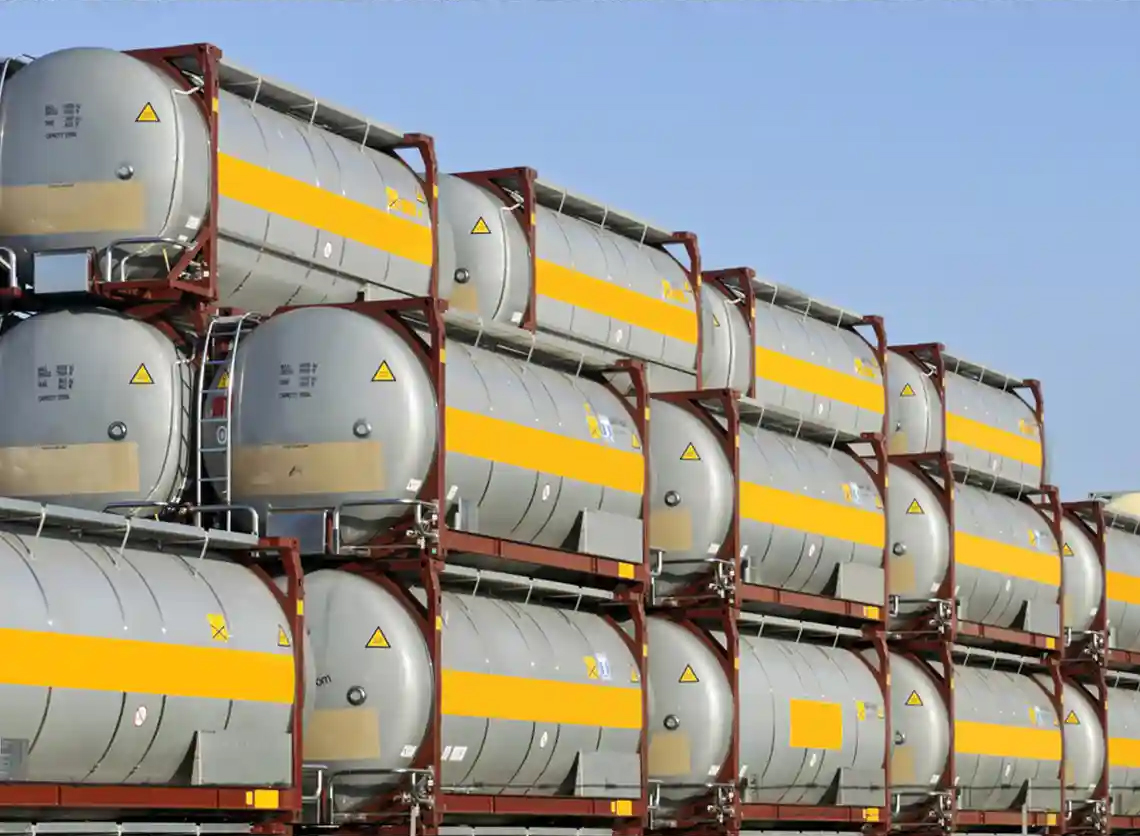
ISO tanks are cylindrical, stainless steel tanks built to ISO (International Organization for Standardization) specifications. They are designed for intermodal transport—seamlessly moving from ship to rail to truck without unloading the product.
Best For
Hazardous or food-grade liquids, long-haul or international shipping, repeated use cases.
Key Benefits:
Limitations:
ISO tanks are a reliable solution for bulk chemical transport, especially when dealing with international or long-distance needs.
Flexitanks: A Cost-Effective Option for Non-Hazardous Liquids
What Are They?
A flexitank is a flexible liner designed to fit within a standard 20-foot container, capable of carrying up to 24,000 liters of non-hazardous liquid cargo. These are single-use systems, making them ideal for one-way shipments.
Best For:
Vegetable oils, wine, fruit juice concentrates, detergents, and other non-hazardous fluids.
Key Benefits:
Limitations:
Flexitanks are widely used in bulk chemical transport for non-hazardous fluids, offering a budget-friendly shipping alternative.
Bulk Tankers: Best Suited for Local and Regional Shipments
What Are They?
Bulk liquid tankers are custom-designed trailers used to transport liquid goods over roadways. These are used mainly for domestic or cross-border shipments within North America.
Best For:
Used primarily for transporting chemicals, fuels, and food-grade liquids over short or regional distances.
Key Benefits:
Limitations:
Comparison Table
| Feature | ISO Tanks | Flexitanks | Bulk Tankers |
| Reusability | High | Single-use | Reusable |
| Suitable for Hazmat | Yes | No | Yes |
| Best for | Long haul/global | One-way export | Short haul/domestic |
| Contamination Risk | Low | Medium | Medium |
| Payload (avg.) | 25,000 liters | 24,000 liters | 30,000–34,000 liters |
So, What’s Right for You?
If you’re exporting hazardous chemicals overseas, ISO tanks are your safest and most efficient bet. If you’re shipping non-hazardous liquids on a budget, flexitanks offer a low-cost, no-hassle solution. For local or North American routes, bulk tankers provide maximum speed and flexibility. No matter which option you choose, effective bulk liquid transportation in USA depends on proper planning and expert logistics support.
Partner with Experts in Bulk Liquid Logistics
At Progressive Cargo, we help chemical manufacturers, distributors, and exporters choose the most efficient and cost-effective transport solutions. Whether it’s ISO tanks, flexitanks, or bulk tankers—we handle the logistics so you can focus on your business. From bulk liquid transportation in USA to dedicated ground freight in USA, we ensure safe, compliant, and streamlined delivery every time.
FAQs
1. What is the difference between ISO tanks, flexitanks, and bulk tankers?
ISO tanks are reusable rigid containers designed for bulk liquid transportation, while flexitanks are single-use liners installed inside standard containers. Bulk tankers are specialized road trailers used to transport large volumes of liquid cargo.
2. When should I use an ISO tank for bulk liquid shipping?
ISO tanks can be suitable for domestic, international, and intermodal bulk liquid shipments, particularly when reusable equipment, multimodal transportation, and specialized handling are required.
3. Are flexitanks suitable for bulk liquid transportation?
Flexitanks are generally used for non-hazardous bulk liquids such as edible oils, lubricants, sweeteners, fertilizers, latex, and other compatible liquid products.
4. When is a bulk tanker better for liquid cargo transportation?
Bulk tanker transportation can be suitable for large-volume domestic or regional liquid shipments where direct loading and unloading by specialized tanker trailers is required.
5. How do I choose between an ISO tank, flexitank, and bulk tanker?
The choice depends on the liquid type, shipment volume, transportation route, hazardous or non-hazardous classification, handling requirements, and whether the shipment needs road, rail, or ocean transportation.