 +1 289 719 0290
- Progressive Cargo Inc-855 Matheson Blvd East, Unit 1B, Mississauga, ON, L4W 4L6
 +1 289 719 0290

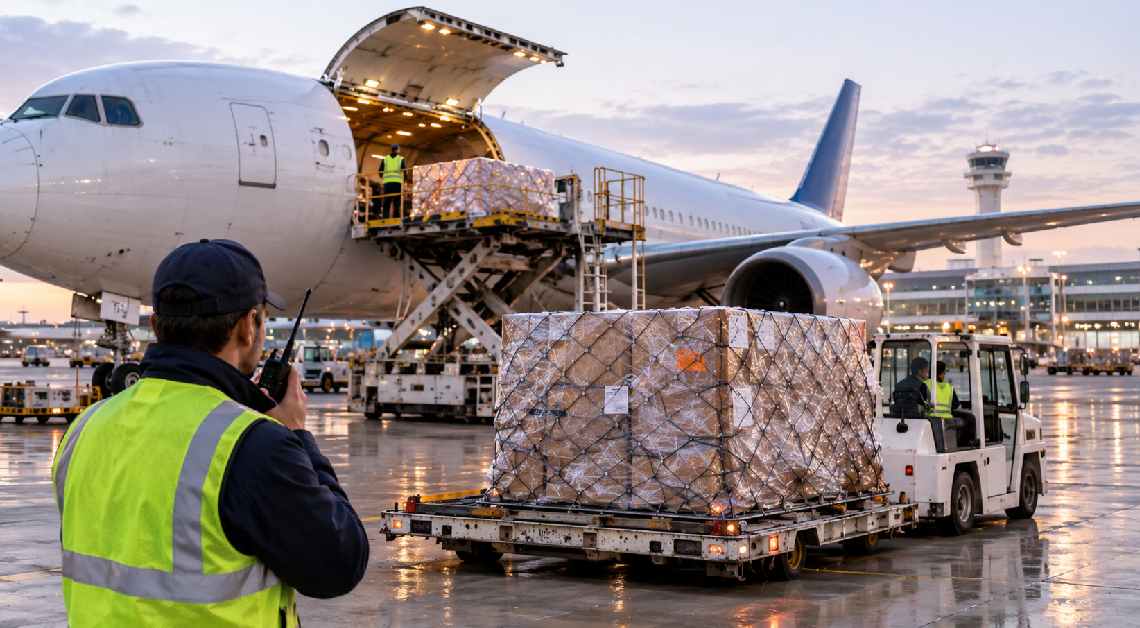
A pallet of medical equipment lands at 4 a.m. The consignee expects it by noon. Somewhere between the aircraft door and the delivery truck, the paperwork stalls, the shipment sits in a terminal, and nobody notices until the phone starts ringing at 11.
Anyone who has worked in air shipping knows this moment. The flight was fast and everything after it wasn’t.
AI-powered cargo tracking improves air freight efficiency by predicting delays, flagging handoff problems early, and updating shipment status automatically, so teams can fix issues before they affect delivery times.
At Progressive Cargo, we’ve built our air cargo services around one simple belief: speed only counts if it survives the ground. This blog looks at how smarter tracking is closing those gaps, and what it means for anyone who ships by air.
Why “Where Is My Cargo?” Is the Wrong Question
Traditional tracking answers one thing: where the shipment was last scanned. Useful, but it’s like reading yesterday’s weather.
What shippers actually need to know is different:
● Will it make the connection?
● Is anything about to hold it up?
● What should we do if it won’t arrive on time?
That shift, from looking backward to looking ahead, is where AI earns its place.
What AI Adds to Tracking
Instead of just recording scans, AI-driven systems compare each shipment against patterns from thousands of earlier ones. They notice when something drifts from the normal path. A flight that usually clears a hub in three hours but is now taking six. A document that tends to trigger inspection. A terminal that gets congested every Monday morning.
Then they warn people while there’s still time to act.
Where the Time Really Gets Lost
Air freight is fast in the sky and surprisingly slow on the ground. Most delays hide in the handoffs.
Stage | Typical Trouble | How Smarter Tracking Helps |
Pickup and cut-off | Cargo misses the booking window | Flags tight timelines before the cut-off passes |
Airport handling | Cargo waits in a congested terminal | Spots slow dwell times and alerts the team |
Customs clearance | Missing or mismatched documents | Highlights errors before filing |
Transfer between flights | Missed connections | Suggests alternate routing early |
Final delivery | Delivery slot gets missed | Updates ETAs so receivers can plan |
Notice how few of these problems happen in flight. That’s the point.
Documents Delay More Cargo Than Aircraft Do
A missing form can stop a shipment as effectively as a grounded plane. Customs filings such as ACI/AMS and ISF, import permits, and origin certificates all need to be right the first time. For temporary exports like trade-show equipment or aerospace parts, ATA Carnet and customs compliance add another layer worth planning early.
Automated checks help here. They catch mismatched details between the invoice, the airway bill, and the declaration before a human has to chase them. We still believe people should make the final call, but a second pair of eyes that never gets tired is hard to argue with.
What Efficient Air Shipping Looks Like in Practice
For us, efficiency isn’t one clever tool. It’s how the whole move fits together. Our air freight setup covers:
● General cargo and express, time-sensitive shipments
● Door pickup to destination delivery, or door-to-airport
● Consolidation, project and oversize cargo, plus dangerous goods
● Aircraft charters when a standard schedule won’t work
● Import and export, with prepaid, collect, C.O.D. or third-party invoicing
We choose carriers by checking lift capacity and flight frequency, and we keep several flight options open. That flexibility matters most when tracking shows a problem. If a route starts looking shaky, a second option is already waiting.
Passenger Flights or Freighters?
Small packages often travel well on passenger aircraft. Oversized or heavy loads may need a freighter. Good tracking helps compare both against urgency and cost, rather than guessing.
Local Handling Still Matters
Technology doesn’t unload a container or walk a document to a counter. Reliable airport freight services still depend on people who know the terminals, the cut-off times, and the quirks of each hub.
That’s why we combine digital visibility with a global partner network across more than 125 countries. Our partners handle what happens on the ground, and tracking tells us what to ask them.
For shippers who need dependable air freight services in USA corridors, that mix is practical rather than flashy. It means a shipment moving through Chicago, Los Angeles, or Houston gets the same attention as one going across the Pacific.
How to Judge Your Air Freight Partner
Not every provider uses tracking the same way. Some show you a map. Others show you what’s about to go wrong. Before you commit, ask:
If the answers are specific, you’re in good hands. If they’re vague, expect vague updates later.
Choosing the Right Support
Picking a partner for air freight services isn’t only about the fastest flight. Look at how they plan, how they communicate, and how they behave when something goes sideways. Because something eventually will.
Efficiency Is Really About Fewer Surprises
Faster aircraft aren’t what make air freight work better today. The improvement comes from fewer surprises: earlier warnings, cleaner paperwork, and tighter handoffs.
That’s how we approach air cargo services at Progressive Cargo, whether it’s a single parcel or a charter. And for businesses that move freight across borders, working with freight forwarders in Canada and the USA who understand both sides of the line makes planning noticeably simpler.
If your shipments keep running into avoidable delays, let’s talk. Request a quote from Progressive Cargo, and we’ll help you build an air freight plan that’s ready before the cargo is.
Also Read:
From Port Congestion To Delivery Delays: How Predictive Analytics Is Improving Cargo Movement
Breakbulk Shipping In Canada: Solutions For Oversized and Heavy Cargo
More Useful Links:
Best Transportation Company | Freight Forwarding Company in Ontario | United States Logistics Service
FAQs
How does AI-powered cargo tracking work in air freight?
It compares each shipment with past patterns, monitors scans and timelines, and flags unusual delays. That gives teams early warnings so they can reroute cargo, fix documents, or update customers on time.
Can AI tracking prevent all air freight delays?
No. Weather, strikes, and sudden disruptions still happen. However, AI tracking gives earlier alerts, which leaves more time to choose alternate flights, adjust delivery plans, and reduce the overall impact.
Where do most air shipment delays actually occur?
Most delays occur on the ground, not in flight. Common trouble spots include airport handling, customs paperwork, missed flight connections, and final delivery slots, where smarter tracking helps teams respond faster.
Does tracking help with customs and documentation?
Yes. Automated checks can flag mismatched details between invoices, airway bills, and declarations before filing. This helps avoid holds and keeps shipments moving through customs without unnecessary waiting.
What should I ask an air freight provider about tracking?
Ask how early they warn about delays, whether they can reroute quickly, who reviews customs documents, and how they handle special cargo. Clear answers show that a provider has a plan.