 +1 289 719 0290
- Progressive Cargo Inc-855 Matheson Blvd East, Unit 1B, Mississauga, ON, L4W 4L6
 +1 289 719 0290

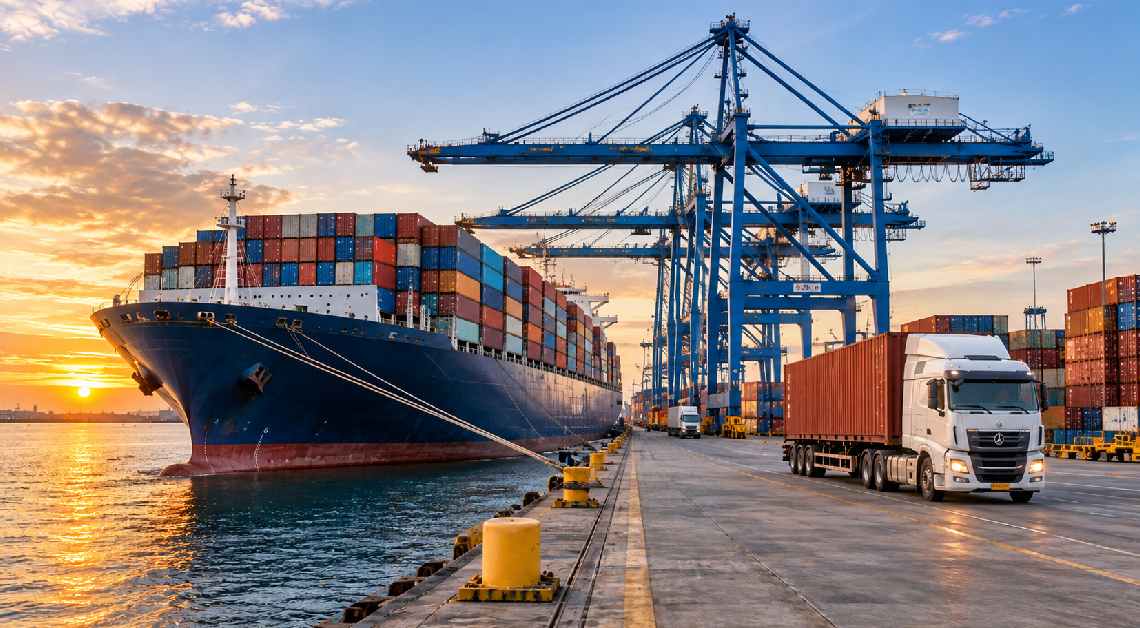
Picture a container that left Shanghai on schedule and crossed the ocean without drama. Then it sat outside a US port for six days. The cargo was fine and so was the ship. The yard was simply full.
Predictive analytics improves cargo movement by using past and live shipping data to forecast port congestion and delays, so shippers can reroute or rebook before cargo gets stuck.
At Progressive Cargo, we see this story more often than anyone would like. As a logistics company America relies on for moving freight, we’ve learned that a delay rarely starts where the customer first notices it. It starts days earlier, in a signal nobody was watching. This blog covers those signals and what changes when someone finally watches them.
Why One Crowded Port Slows Everything Down
A congested port doesn’t keep its problems to itself. Ships wait at anchor, containers pile up, and trucks queue at the gate. Then a warehouse appointment gets missed, a delivery slot disappears, and a customer’s shelf stays empty.
The Ripple Effect Nobody Budgets For
Here’s how a few lost days at a terminal turn into a few lost weeks downstream:
● The vessel berths late, so unloading gets pushed back.
● Chassis and drayage trucks run short because everyone is chasing them at once.
● Storage and detention charges start adding up quietly.
● The receiving warehouse reschedules, and the next shipment in line gets delayed too.
Why Old-School Planning Struggles
Traditional planning leans on fixed transit times and gut feeling. That works when conditions are steady. It falls apart during peak season, a weather event, or a sudden customs backlog. By the time someone notices the delay, the options are already limited.
So What Does Predictive Analytics Actually Do?
Strip away the jargon, and the idea is simple. Software studies years of shipping history alongside live data, spots the patterns that came before past delays, and flags when those patterns show up again.
The inputs usually include:
● Vessel schedules and berth waiting times
● Gate activity and yard capacity
● Seasonal peaks and weather patterns
● Customs hold trends for specific commodities
● Truck and chassis availability near the port
It doesn’t promise perfect foresight. It gives you earlier warning, and earlier warning gives you choices.
Common Delay | Early Warning Sign | What You Can Do About It |
Vessel waiting at anchor | Rising berth wait times at the destination port | Shift to an alternate port or adjust the inland booking |
Container stuck at terminal | Yard utilization climbing past normal levels | Pre-book trucks, or arrange extra storage |
Customs hold | Past inspection patterns for that commodity | File paperwork early and prepare documents |
Missed delivery slot | Drayage capacity tightening near the port | Reserve transport ahead of the rush |
How It Plays Out Across Ocean, Air and Ground
Ocean Freight
This is where the biggest gains happen, because ports are where cargo most often stalls. Spotting a build-up before the vessel arrives lets planners reroute or pre-arrange trucking. If you’re curious how this looks from the terminal side, port data analytics is a good place to dig deeper.
Air Freight
Air shipments move fast, so delays here usually come from handoffs: cargo sitting in a terminal, a missing document, a connection that slips. Prediction helps flag those weak spots before the clock runs out.
Ground Freight
On the road, the troublemakers are traffic, weather, driver availability, and warehouse wait times. Forecasting them helps dispatchers plan better routes and realistic delivery windows. It also protects the last mile, where customers feel every missed hour.
Where a Forwarder Fits In
Data alone doesn’t move a container. People do, and they need the right tools and the right relationships.
Good freight forwarding in USA has always been about managing moving parts that don’t line up neatly. Analytics simply gives us a sharper view of those parts. A freight forwarder USA importers trust should be able to explain what’s coming and what the backup plan is, not just report what already went wrong.
That’s how we work at Progressive Cargo. Our teams handle air, ocean, ground, and intermodal moves, along with customs clearance. That includes ACI/AMS and ISF filing, which keeps paperwork from becoming the next bottleneck. With warehousing, cross-docking, and in-transit tracking in the same setup, a shipment doesn’t get dropped between handoffs. We also keep local expertise in key hubs such as New York, Los Angeles, Chicago, Dallas, Houston, Philadelphia, Phoenix, San Diego, and San Antonio, because a port-side problem in Houston isn’t the same as one in Los Angeles.
When you compare any freight forwarding service USA businesses recommend, look past the rate sheet.
Questions Worth Asking Your Forwarder
● How early do you flag possible delays?
● Do you have a backup route or port ready?
● Who handles customs filings, and when?
● Can I see where my cargo is without chasing anyone?
● What happens if my delivery window shifts?
If the answers sound vague, the delays will probably feel vague too.
Small Wins That Add Up
Predictive tools don’t need to be dramatic to matter. Saving two days on a clearance, avoiding one storage fee, or catching one missed slot sounds minor. Over a year of shipments, it changes how reliable your supply chain feels. Customers stop asking where the order is, and your team stops firefighting.
The Bottom Line
Port congestion isn’t going away. Peak seasons will keep coming, weather will keep surprising people, and customs queues will keep shifting. What has changed is how early we can see trouble forming and how many options that early view gives us.
For us, that’s the real value of prediction: more time to act. As a logistics company America shippers can lean on, and as a transportation company that treats every container like a promise, we believe cargo should move on a plan, not on luck.
If your shipments keep running into delays that feel avoidable, let’s talk. Request a quote from Progressive Cargo, and we’ll show you what a better-planned move looks like.
Also Read:
Heavy Equipment Transportation In The USA: Planning and Logistics Tips
How Digital Freight Platforms Are Reshaping Top Freight Forwarding Services In Canada
More Useful Links:
Heavy Equipment Transport | Freight Forwarding in Canada | Freight Forwarding Company in Toronto
FAQs
How does predictive analytics help reduce port congestion delays?
It studies vessel schedules, yard activity, and past patterns to forecast build-ups. That gives shippers time to reroute cargo, pre-book trucks, or adjust delivery plans before containers get stuck at the terminal.
Can predictive analytics prevent every shipping delay?
No. It can’t stop weather events or sudden disruptions, but it gives earlier warnings. Those extra days let planners choose alternatives and limit the impact on delivery schedules and costs.
What data is used to predict cargo delays?
Common inputs include vessel schedules, berth waiting times, yard capacity, weather, seasonal peaks, customs hold trends, and truck availability. Combined, they show where cargo is most likely to slow down.
Does predictive analytics only help ocean freight?
No. It also supports air and ground shipments by flagging handoff gaps, traffic, weather, and warehouse wait times, helping teams set realistic delivery windows across every mode of transport.
How does a freight forwarder use predictive insights?
A forwarder uses early signals to choose alternate routes, file customs paperwork sooner, arrange warehousing or trucking in advance, and keep customers informed about any change in their delivery timeline.