 +1 289 719 0290
- Progressive Cargo Inc-855 Matheson Blvd East, Unit 1B, Mississauga, ON, L4W 4L6
 +1 289 719 0290
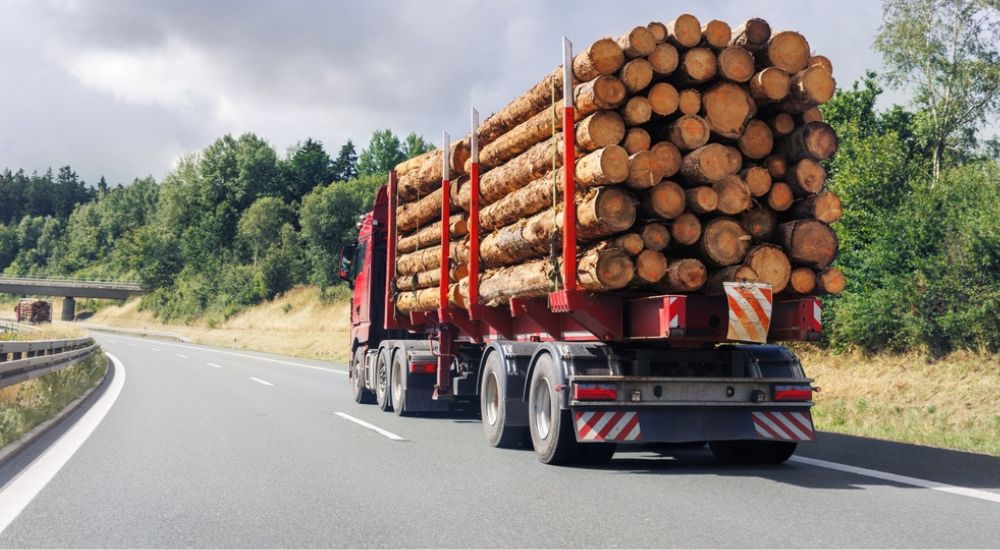
Moving oversized freight across Canada is rarely simple. The distances are long. Regulations differ by province. The weather changes quickly. Roads vary from smooth highways to narrow industrial routes. In heavy haul Canada operations, small planning mistakes can become expensive setbacks.
At Progressive Cargo, we have seen how axle configuration and proper load distribution determine whether a shipment moves smoothly or gets delayed at the first inspection checkpoint. These two elements sit at the heart of safe, legal, and efficient heavy transport. And yet, many businesses overlook them until something goes wrong.
This guide explains how axle setup and weight balance work together, why they matter in Canadian freight movement, and how we approach them in real-world operations.
When cargo exceeds standard weight or dimension limits, transport regulations tighten. Provinces enforce strict axle load limits to protect infrastructure. Too much pressure on one axle can damage pavement or bridges. That is why the number of axles and their spacing directly affect legal approval.
Axle configuration determines:
A standard flatbed may handle moderate loads. But once you move transformers, turbines, industrial equipment, or structural components, specialized trailers become necessary.
| Trailer Type | Typical Axle Setup | Best For |
| Lowboy Trailer | 2–3 axles | Construction machinery |
| Multi-Axle Trailer | 4–8+ axles | Industrial equipment |
| Extendable Trailer | Variable | Long structural loads |
| Modular Platform Trailer | Custom axle lines | Ultra-heavy freight |
Each added axle spreads the weight more evenly. That reduces ground pressure and keeps the load within permitted limits.
Axles alone do not solve everything. The position of the cargo matters just as much.
Improper weight placement can cause:
Load distribution requires careful measurement before loading begins. We calculate:
In Canada, axle weight allowances vary. What works in Alberta may not work in Ontario. This is where experience becomes essential.
When businesses work with heavy haul carriers Ontario, they often assume provincial transport is straightforward. In reality, axle spacing requirements and bridge calculations require precise planning, especially for cross-border or multi-province routes.
Canada’s infrastructure regulations are built around protecting bridges and highways. Axle spacing directly affects how weight is transferred to road surfaces.
Wider axle spacing allows:
Closer spacing increases road pressure, even if total weight remains the same.
This is why modular trailers are often used for extremely heavy cargo. They allow flexible axle line adjustments. We can add or remove axle units depending on the weight and route requirements.
At Progressive Cargo, we never treat axle planning as an afterthought. The planning phase includes:
We examine load drawings and calculate stress points.
We evaluate bridge limits, tight turns, overhead clearance, and pavement strength.
Each province issues overweight permits differently. Timing and documentation must align.
We build buffer limits into weight calculations. Real-world conditions are rarely perfect.
For businesses expanding internationally, axle configuration planning often intersects with multimodal transport. Companies working with ocean freight forwarders in USA frequently coordinate heavy cargo that arrives at Canadian ports before inland transport. The transition from vessel to trailer must be seamless. Axle planning begins long before the cargo touches Canadian soil.
If you want a clearer understanding of how documentation, compliance, and shipment visibility connect to complex transport planning, you can explore our detailed guide on freight forwarding, Incoterms, and cargo visibility in Canada.
One of the most overlooked aspects of heavy haul is vertical balance.
A tall piece of equipment may not exceed weight limits, but if the center of gravity sits too high, the risk of rollover increases. This affects:
To counter this, we may recommend:
Load distribution is not just horizontal. It is three-dimensional planning.
There is a financial side to this discussion.
More axles mean:
However, under-axling creates a larger financial risk. Fines, cargo damage, or infrastructure penalties can exceed planning savings.
When we consult with clients, we do not simply recommend the cheapest trailer. We evaluate long-term cost efficiency, compliance security, and transit reliability.
Businesses planning international growth often combine heavy inland movement with maritime shipping. In those cases, understanding integration between domestic transport and port handling becomes crucial. For businesses coordinating inland heavy transport with maritime shipping, we have also explained how ocean freight planning supports global expansion strategies for Canadian companies.
Transport Canada sets overarching guidelines, but provinces manage enforcement.
For example:
This variability makes standardized planning risky. What works in one province can fail in another.
That is why heavy haul Canada planning must remain route-specific. There is no universal formula.
Recent advancements include:
These technologies allow us to monitor weight shifts during transit and adjust when necessary. It reduces uncertainty and improves safety margins.
In heavy haul Canada, axle configuration and load distribution are not technical details reserved for engineers. They are strategic decisions that shape compliance, safety, cost, and transit reliability.
At Progressive Cargo, we approach every oversized shipment with calculated precision. From provincial permit planning to multimodal coordination, we ensure weight spreads correctly, routes align with infrastructure limits, and cargo remains stable throughout the journey.
And as businesses scale across borders and integrate with ocean freight services in USA, the importance of axle planning only increases. Heavy transport does not allow shortcuts. Careful configuration is what keeps freight moving, safely and legally, from origin to destination.
Also Read:-
Bulk Chemical Transport Compliance Guide Covering ADR, IMDG, and TDG Frameworks
How A Liquid Tanker Trucking Company Manages Hazardous Chemical Transport
More Useful Links :-
Trucking Company in Canada | International Truck Service in USA | Bulk Tanker Service in USA
Axle configuration determines how the weight spreads across the trailer and roadway. Proper setup ensures compliance with provincial regulations, protects infrastructure, and reduces mechanical strain. Incorrect axle placement can result in permit rejection, fines, or unsafe driving conditions during oversized freight movement.
Load distribution impacts vehicle balance and braking performance. Uneven weight can increase rollover risk, tire wear, and steering instability. Correct positioning keeps the center of gravity controlled and supports safe handling across long Canadian routes with varied terrain conditions.
Yes, axle weight and spacing rules vary by province. Each region enforces specific bridge formulas and roadway protection standards. Heavy haul planning must account for these regional differences to ensure permits remain valid throughout the entire route.
Absolutely. Underestimating axle requirements may cause delays, penalties, cargo damage, or emergency adjustments. While multi-axle setups may cost more initially, they often prevent larger financial losses and ensure smooth transport operations across regulated heavy haul routes.