 +1 289 719 0290
- Progressive Cargo Inc-855 Matheson Blvd East, Unit 1B, Mississauga, ON, L4W 4L6
 +1 289 719 0290
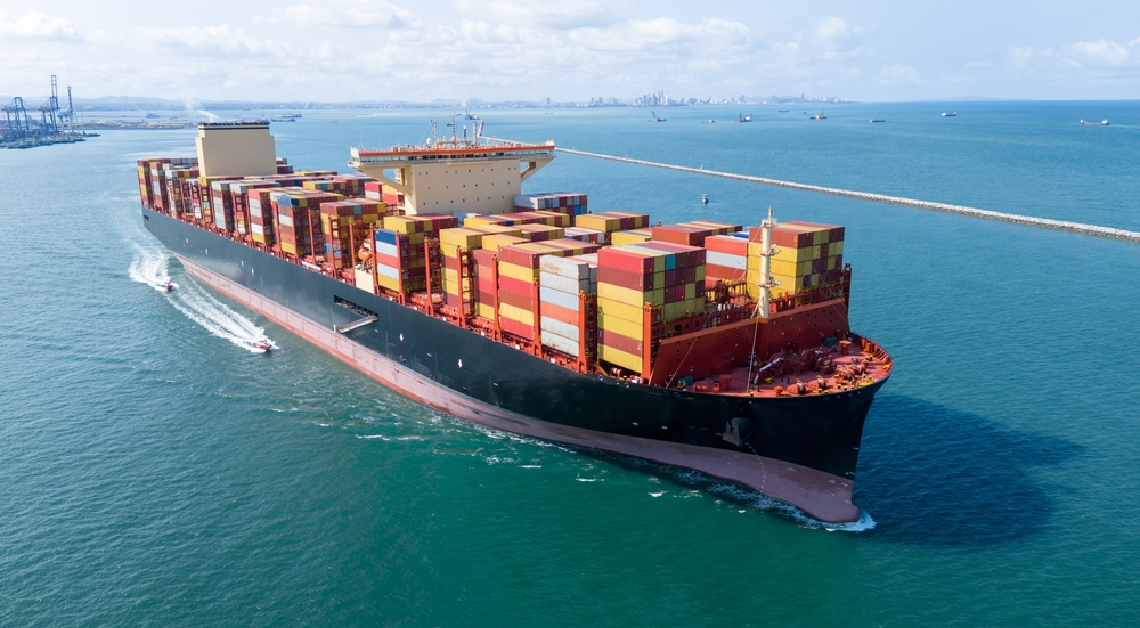
Incoterms are internationally recognized trade rules that define responsibilities, risks, and cost allocation between buyers and sellers in global shipping, ensuring clarity and efficiency in ocean freight transactions.
Global trade moves on the strength of the oceans. From electronics and machinery to apparel and raw materials, cargo travels across continents to meet business demands. For importers and exporters, understanding shipping terms and cost allocation is not just helpful; it is essential. Reliable ocean freight services in USA play a crucial role in ensuring smooth, transparent, and cost-effective international trade.
At Progressive Cargo, we help businesses navigate the complexities of global logistics with clarity and confidence. One of the most important aspects of international shipping is understanding Incoterms and how they define responsibilities between buyers and sellers.
What Are Incoterms in Global Shipping?
Incoterms, short for International Commercial Terms, are standardized trade rules established by the International Chamber of Commerce. They define the obligations, risks, and costs associated with transporting goods from the seller to the buyer.
These terms eliminate confusion and create consistency in international transactions. Whether you are shipping bulk commodities or high-value equipment, Incoterms determine who pays for freight, insurance, customs clearance, and delivery.
Why Incoterms Matter
● Clearly define responsibilities between trading parties
● Reduce disputes and misunderstandings
● Ensure transparent cost allocation
● Improve logistics planning and efficiency
● Simplify international trade documentation
Without a proper understanding of Incoterms, businesses risk incurring unexpected expenses, experiencing delivery delays, and facing contractual disputes.
Common Incoterms Used in Ocean Freight
Certain Incoterms are widely used in maritime transport. Each one allocates responsibilities differently, making it essential to select the right term for your shipment.
Key Incoterms in Ocean Freight
| Incoterm | Full Form | Seller’s Responsibility | Buyer’s Responsibility |
| FOB | Free on Board | Delivers goods onto the vessel | Pays freight, insurance, and import duties |
| CIF | Cost, Insurance, and Freight | Covers freight and insurance to the destination port | Handles customs and inland delivery |
| CFR | Cost and Freight | Pays transportation to the destination port | Arranges insurance and final delivery |
| EXW | Ex Works | Makes goods available at the origin | Manages all transportation and costs |
| DDP | Delivered Duty Paid | Bears all costs and risks until delivery | Receives goods at the final destination |
Choosing the correct Incoterm directly impacts budgeting, risk management, and operational efficiency.
Understanding Cost Allocation in Ocean Freight
Cost allocation defines who pays for each stage of the shipping journey. These costs can vary depending on the chosen Incoterm, cargo type, and route.
Major Cost Components
1. Origin Charges
● Export documentation
● Cargo handling and packaging
● Inland transportation to the port
2. Ocean Freight Charges
● Container shipping fees
● Fuel surcharges
● Terminal handling charges
3. Insurance Costs
● Protection against loss or damage during transit
4. Destination Charges
● Import duties and taxes
● Customs clearance fees
● Port handling expenses
5. Inland Transportation
● Delivery from the port to the warehouse or the final destination
For a deeper understanding of how shipments move beyond the port, businesses can explore insights on port-to-warehouse integration, which highlight the connection between maritime transport and inland logistics.
How to Choose the Right Incoterm
Selecting the appropriate Incoterm depends on your experience, risk tolerance, and logistical capabilities. At Progressive Cargo, we guide our clients in making informed decisions tailored to their shipping needs.
Factors to Consider
As a trusted ocean freight company in USA, we provide end-to-end logistics solutions that align with your business objectives.
The Role of Integrated Logistics in Global Trade
Ocean freight does not operate in isolation. It relies on seamless coordination with inland transportation, customs clearance, and warehousing. This integration ensures goods move efficiently from origin to destination.
For North American shipments, coordination with partners such as a trucking company Calgary strengthens cross-border logistics. Such collaboration enables timely deliveries across the United States and Canada, supporting uninterrupted supply chains.
Benefits of Integrated Freight Solutions
● Faster transit times
● Reduced operational risks
● Improved cost efficiency
● Streamlined customs procedures
● Enhanced shipment visibility
At Progressive Cargo, we combine industry expertise with global networks to deliver reliable and efficient cargo solutions.
Why Businesses Trust Progressive Cargo
Navigating international trade requires experience, precision, and dependable support. We pride ourselves on delivering tailored logistics services designed to simplify global shipping.
Our Strengths
● Comprehensive ocean freight solutions
● Expertise in Incoterms and compliance
● Transparent pricing and documentation
● Reliable global shipping networks
● End-to-end logistics coordination
From planning and documentation to final delivery, we ensure every shipment reaches its destination safely and on time.
Conclusion
Understanding Incoterms and cost allocation is essential for successful international trade. These globally recognized standards define responsibilities, minimize risks, and promote transparency across the shipping process. With dependable ocean freight services in USA, businesses can streamline logistics and manage global supply chains with confidence.
At Progressive Cargo, we simplify complex shipping requirements through strategic partnerships and integrated solutions, including collaborations with a reliable trucking company in Canada. Our expertise ensures efficiency, clarity, and peace of mind at every stage of your logistics journey.
Also Read:-
Port To Warehouse: How Ocean Freight Services In USA Integrate With Inland Transport
The Growing Role Of Global Aerospace Logistics In Modern Aviation Supply Chains
More Useful Links:-
Biggest Freight Forwarders in USA | Freight Forwarding Company in Canada | International freight forwarding services
FAQs
Q. What are Incoterms in ocean freight shipping?
Incoterms are globally accepted trade rules that define the responsibilities of buyers and sellers in international shipping. They determine who pays for transportation, insurance, duties, and delivery, ensuring clarity, reducing disputes, and enabling efficient coordination in ocean freight transactions.
Q. How do Incoterms affect cost allocation in global shipping?
Incoterms outline who bears costs at each stage of the shipping journey, from origin handling to final delivery. By clearly defining financial responsibilities, they help businesses plan budgets accurately, avoid unexpected charges, and maintain transparency throughout international logistics operations.
Q. Which Incoterms are commonly used in ocean freight services?
FOB, CIF, CFR, EXW, and DDP are widely used in ocean freight. Each term specifies cost distribution and risk transfer points, enabling importers and exporters to choose options that best align with their financial strategies, operational capabilities, and supply chain requirements.
Q. Why should businesses partner with Progressive Cargo for ocean freight?
Progressive Cargo provides reliable ocean freight solutions, expert guidance on Incoterms, and seamless logistics coordination. With transparent pricing, global networks, and integrated transport services, we help businesses manage international shipments efficiently while ensuring compliance, cost control, and timely deliveries.