 +1 289 719 0290
- Progressive Cargo Inc-855 Matheson Blvd East, Unit 1B, Mississauga, ON, L4W 4L6
 +1 289 719 0290
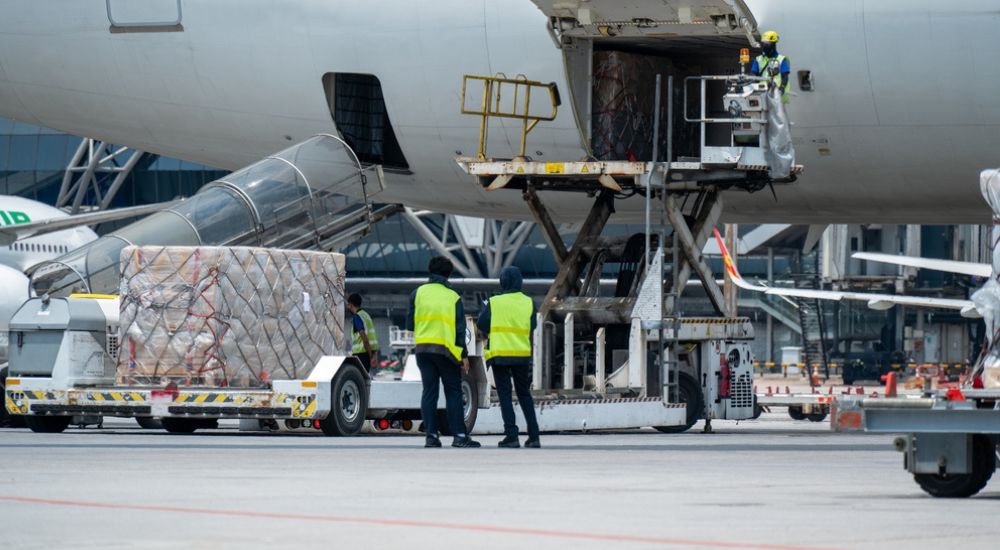
An Aircraft On Ground (AOG) situation is not just a delay. It is revenue lost by the minute. A grounded aircraft disrupts passenger schedules, cargo commitments, crew planning, and airport operations. When this happens, the clock does not tick slowly. It races. That is where global aerospace logistics becomes more than transportation. It becomes a coordinated emergency response.
At Progressive Cargo, we treat AOG situations as high-priority operations that demand precision, speed, and controlled execution. There is no room for guesswork. Every step must align, from part pickup to final delivery at the hangar door.
AOG freight is not standard cargo. It carries urgency that changes everything.
When an airline calls, they are usually waiting on:
The shipment must move immediately. Documentation cannot lag behind the cargo. Customs clearance cannot be uncertain. Routing cannot depend on slow consolidation models.
In global aerospace logistics, response time defines service quality.
In our experience, the first two hours determine the outcome of an AOG shipment.
Here is what typically happens during that window:
| Phase | Action Required | Risk If Delayed |
| Part Collection | Immediate pickup from the supplier | Aircraft downtime extends |
| Documentation | Export compliance validation | Customs hold |
| Routing | Fastest viable transport plan | Missed flight connection |
| Coordination | Airport and handler alert | Ground handling delays |
Speed without structure creates chaos. Structure without speed creates delay. The balance matters.
Every AOG shipment demands the fastest practical solution. That often means air freight. But not always.
Aircraft shipping strategies vary depending on size, weight, and route complexity.
Aircraft shipping is rarely one-size-fits-all. Sometimes the part moves on a next-flight-out service. Sometimes it requires charter capacity. In other cases, a combination of road and air transport delivers the best outcome.
At Progressive Cargo, we build transport strategies based on operational impact, not just transit speed.
For businesses managing multimodal routes across Canada and international gateways, we have discussed how freight forwarders support multi-modal transportation networks in greater depth, especially where coordination across modes becomes critical.
AOG freight may be urgent, but it still must comply with:
Missing paperwork can delay clearance for hours or days. That defeats the purpose of rapid response.
We maintain pre-clearance documentation frameworks and partner networks to prevent those delays. Compliance planning happens in parallel with route planning. Both move together.
In aerospace logistics, uncertainty creates stress for operators and maintenance teams. They want updates. Clear ones.
We use:
Modern monitoring technology plays a crucial role in time-sensitive transport. In fact, industries relying on high-risk cargo often depend on advanced monitoring systems used in specialized transport operations to ensure cargo integrity and location accuracy.
The principle is the same in the AOG response. Visibility reduces risk.
Not every aircraft part fits neatly into standard containers. Some require open-deck transport. Others must move as palletized heavy cargo.
In such cases:
Sometimes aircraft shipping includes oversized components that cannot move through conventional cargo holds. That is where coordination with charter providers or specialized aircraft becomes necessary.
Timing remains critical, but so does protection.
Even with urgency, we plan for contingencies.
AOG logistics does not forgive errors. A missed connection can add twelve hours. A documentation issue can add twenty-four. Prevention always costs less than recovery.
When aircraft operations stop, time becomes expensive. Managing these situations through global aerospace logistics requires discipline, coordination, and constant communication.
At Progressive Cargo, we approach every AOG call with structured urgency. From aircraft shipping coordination to customs clearance and final delivery, our focus remains on minimizing downtime while protecting cargo integrity.
Some shipments may even require alternative solutions, such as break bulk freight when oversized aerospace components exceed standard dimensions. The method may vary. The objective does not.
In aerospace logistics, success is measured in hours saved and aircraft returned safely to service.
Also Read:-
The Role Of Axle Configuration And Load Distribution In Heavy Haul Canada
The Role Of A Freight Forwarder Canada In Multi-Modal Transportation Networks
More Useful Links :-
Breakbulk Freight Canada | Ocean Freight Canada | Ocean Freight Company in USA
AOG stands for Aircraft On Ground. It refers to situations where an aircraft cannot operate due to a technical issue requiring immediate parts replacement. Logistics providers must move critical components quickly to reduce downtime and financial losses.
Delivery speed depends on route, distance, and part availability. Many AOG shipments move via next-flight-out services within hours. International shipments may require charter solutions or multimodal coordination to meet urgent operational deadlines.
Even urgent aerospace shipments must follow aviation safety rules, export controls, and customs regulations. Missing documentation can delay clearance, which directly impacts aircraft return-to-service timelines and increases operational costs.
Yes, oversized components can be transported using specialized handling methods, including charter aircraft or customized loading solutions. Proper packaging, load planning, and airport coordination ensure safe delivery even under strict time constraints.