 +1 289 719 0290
- Progressive Cargo Inc-855 Matheson Blvd East, Unit 1B, Mississauga, ON, L4W 4L6
+1 289 719 0290
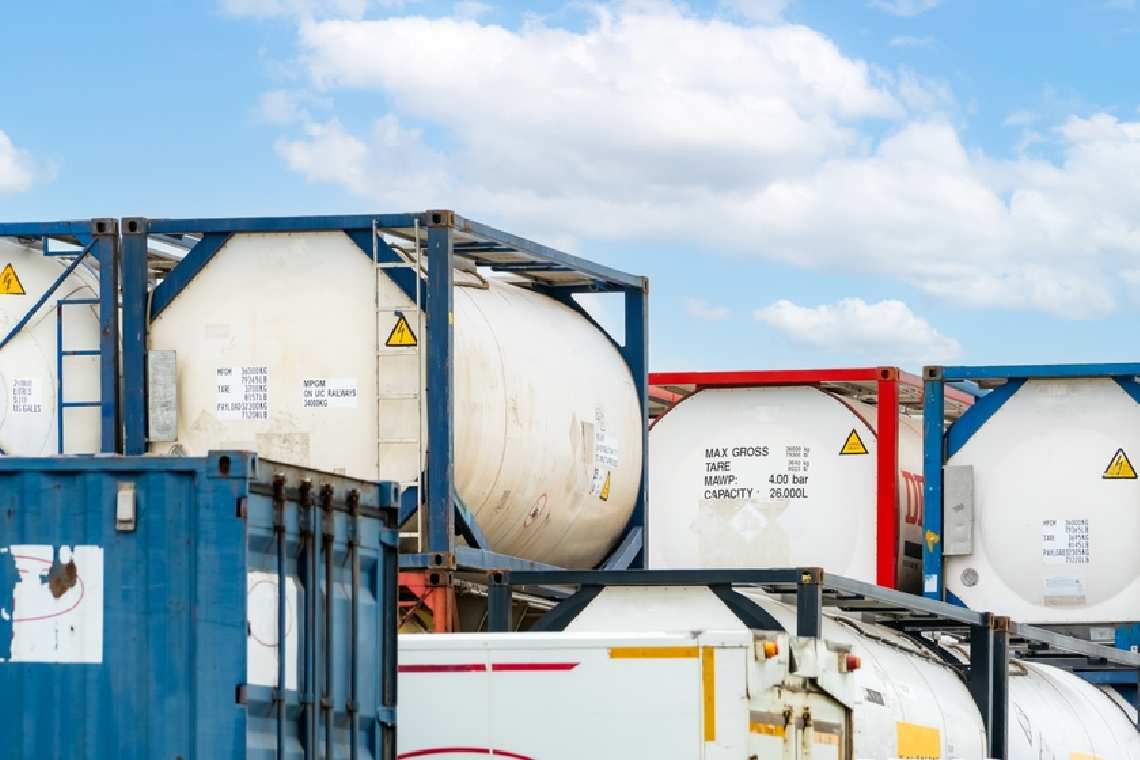
Digital systems have pushed the cargo world into a faster, more transparent rhythm, and nowhere is this shift clearer than in the liquid cargo sector. At Progressive Cargo, we have seen how demand swings, tank availability, and strict compliance rules often make matching loads to the right carriers feel like a long puzzle. This is exactly why liquid bulk freight brokers are turning toward digital freight matching platforms that can read patterns far more quickly than manual coordination ever could.
These platforms create a bridge between shippers, tank carriers, terminals, and brokers. Instead of hunting through long lists, we receive live signals about equipment capacity, route suitability, and driver readiness. It shifts the entire workflow from reactive to predictive, which is what the liquid bulk sector has needed for years.
Digital matching is not simply a directory. It behaves more like a dynamic engine running beneath the freight network. The platform pulls in data from carrier fleets, tank wash facilities, terminal congestion, and regulatory alerts. We use that data to build cleaner load plans that suit volatile products and time-sensitive schedules.
Liquid cargo does not move the way dry freight does. Each load requires:
This is where digital matching becomes helpful. It filters carriers not only by availability but by tank suitability, wash history, and whether the driver has the required certification for hazardous cargos.
The first advantage is visibility. We gain a clear view of which tanker units are ready, their current locations, and their historical performance on similar lanes. This prevents mismatched routing or unnecessary repositioning. Routing becomes smoother, especially for cargo types that demand stable handling.
Liquid cargo has heavy regulatory layers. Digital tools flag missing permits or certification mismatches before the load is confirmed. It saves time and reduces the risk of failed inspections. This matters even more in bulk chemical transport, where compliance mistakes can quickly escalate into operational delays.
Some platforms integrate IoT-based sensors that provide live updates on temperature, pressure, and tank integrity. When the product needs strict stability, these details help prevent spoilage or safety issues. We use these insights to adjust routing or timing when environmental conditions shift.
Instead of selecting a carrier based only on price or proximity, digital matching considers past service quality, incident records, and equipment reliability. It allows us to shape safer and more dependable liquid cargo chains.
A simple comparison helps highlight the shift:
| Aspect | Traditional Matching | Digital Matching |
| Visibility | Limited, manual calls | Instant fleet-wide visibility |
| Safety Checks | Paper-based | Automated, integrated data |
| Routing | Static | Adaptive and predictive |
| Carrier Sourcing | Slow and scattered | Filtered by real-time criteria |
| Cost Efficiency | Variable | More consistent |
Digital systems reduce the guesswork that used to define liquid tanker scheduling. We forecast capacity earlier, especially during seasonal demand spikes. It helps us balance tank availability with the shipment timeline.
The platform becomes a shared window between shippers, carriers, brokers, and terminal operators. Everyone sees the same updates. It removes the delays caused by fragmented communication.
Digital freight matching tools allow us to compare route options based on fuel impact, tank wash requirements, and wait times. By studying these variables, we build more realistic freight quotes.
For us, digital matching aligns with the future of liquid cargo movement. We rely on technology not as a replacement but as an extension of our operational instincts. When we work as liquid bulk freight brokers, our responsibility is to preserve both safety and efficiency across the entire chain. Digital systems help us keep those priorities intact even as demand grows and regulations tighten.
As we look ahead, the freight sector will rely heavily on precise coordination. That applies across general liquid networks and even specialized segments such as oversized machinery or heavy lift cargo, where we extend our project cargo handling service. Yet the digital core remains the same: match loads with the right equipment and route, with no gaps in visibility or safety. That is the future we are preparing for at Progressive Cargo, and it is the future reshaping the work of liquid bulk freight brokers across the industry.
Also Read:-
The Role Of A Freight Forwarder Canada In Multi-Modal Transportation Networks
How A Liquid Tanker Trucking Company Manages Hazardous Chemical Transport
More Useful Links:-
Logistics Company in America | Logistics Company in Canada | Ocean Freight Forwarders
Q. How does digital freight matching support liquid cargo movement?
Digital matching connects shippers, carriers, and brokers on one system that shows tank availability, certifications, and routing options. It reduces delays by filtering carriers based on equipment suitability and compliance, which is essential for safe liquid cargo transport.
Q. What makes liquid bulk freight matching more complex?
Liquid cargo requires coated tanks, strict temperature control, verified wash records, and driver certifications. Digital platforms organize these checks automatically. It helps us avoid mismatched equipment, regulatory issues, or last-minute carrier changes, which are common challenges in liquid freight operations.
Q. How do digital tools improve safety and compliance?
They track certifications, permits, tank wash history, and sensor-based condition records. The system flags issues before a load is approved, giving us more time to correct them. This reduces inspection failures and keeps the cargo chain running smoothly.
Q. Why are brokers adopting digital matching for tanker fleets?
Digital matching shortens sourcing time, increases visibility, and supports predictive routing. Brokers gain more control over scheduling and safety, allowing them to manage volatile or sensitive liquid loads with less risk and better timing for all parties involved.