 +1 289 719 0290
- Progressive Cargo Inc-855 Matheson Blvd East, Unit 1B, Mississauga, ON, L4W 4L6
 +1 289 719 0290

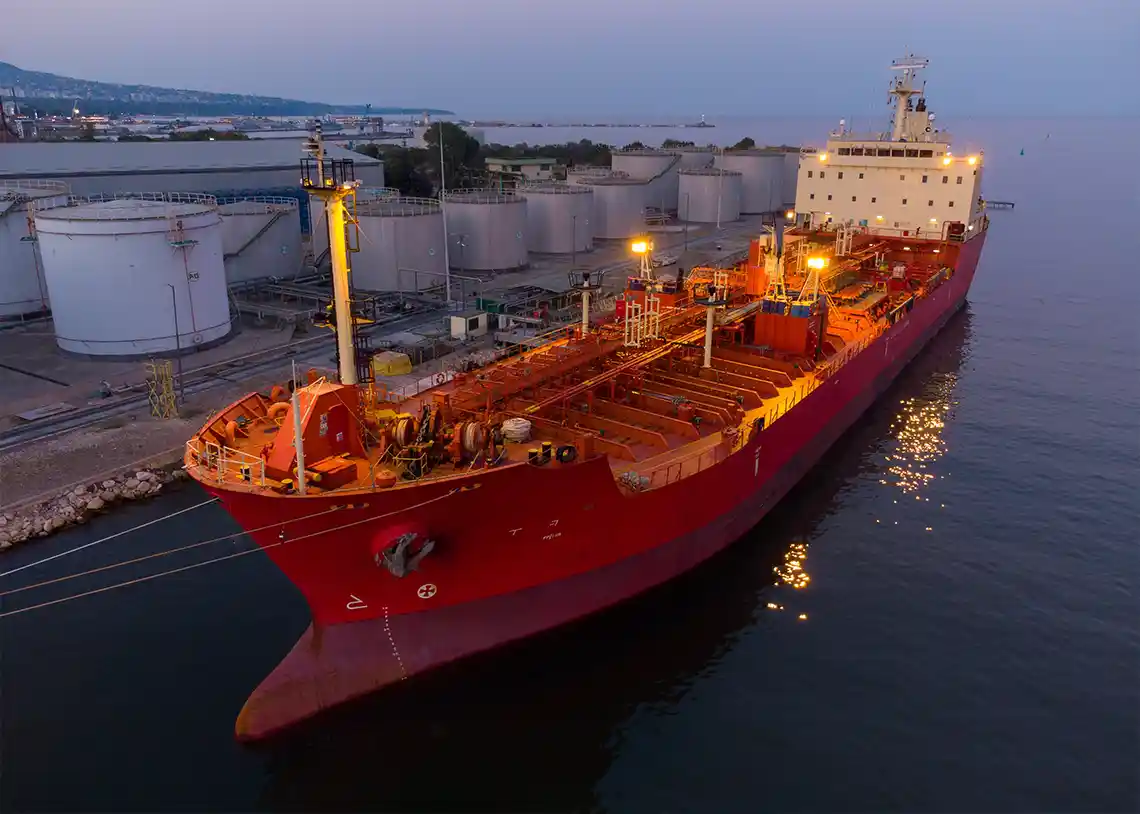
The chemical supply chain is complex, tightly regulated, and often costly—especially when it comes to shipping bulk liquids like solvents, lubricants, resins, and specialty chemicals. But with the right logistics strategy and a bulk liquid transport company that understands the nuances of this industry, manufacturers can reduce expenses, eliminate inefficiencies, and ensure compliant, on-time delivery.
At Progressive Cargo, we’ve worked with chemical producers across North America to cut freight costs without cutting corners. Here’s how:
1. Choose the Right Equipment for the Product and Route
Different liquid products and destinations require different shipping containers. Choosing the wrong type can inflate costs, lead to contamination, or even regulatory fines.
| Container Type | Best For | Cost Considerations |
| ISO Tanks | Hazardous or high-value cargo, exports | Higher upfront rental, but reusable and safer |
| Flexitanks | Non-hazardous, one-time export shipments | Cost-effective, but single-use and less durable |
| Bulk Tankers | Domestic or cross-border repeat shipments | Efficient for short hauls and dedicated lanes |
Tip: Use ISO tanks for recurring export lanes to spread the cost over multiple uses, or flexitanks for one-off, cost-sensitive shipments of non-hazardous liquids. If you’re shipping internationally, selecting the right ISO bulk liquid container ensures better durability and reduced leakage risk.
2. Optimize Load Size & Consolidate Shipments
Partial loads, underfilled containers, and inefficient palletizing can dramatically drive up the per-unit cost of shipping.
Strategies to Save:
Example: Two compatible chemical shipments going to the same region can be consolidated at a transloading hub—reducing the total number of moves. Using a shared ISO bulk liquid container when possible further minimizes excess capacity and handling.
3. Use Intermodal Transport When Possible
Shipping by truck alone can be expensive and time-sensitive. Consider integrating rail, ocean, and road through intermodal or transloading strategies.
Benefits:
For example, ship by ISO tank via rail to a regional depot, then transload to bulk tanker for final delivery.
4. Transload Near Final Delivery Points
Transloading bulk liquids from ISO tanks, drums, or railcars to local tankers at regional hubs allows you to:
Progressive Cargo offers transloading hubs across Canada and the U.S., especially near ports and chemical manufacturing zones.
5. Avoid Penalties Through Proactive Compliance
Regulatory non-compliance can lead to costly delays, fines, or rejected loads. Always ensure:
Bonus Tip: Digital platforms can help automate compliance and reduce paperwork errors. We provide ELD-compliant reporting and documentation as part of every shipment.
6. Work with a Specialized Freight Forwarder
Chemical logistics is not one-size-fits-all. Choose a freight partner that:
At Progressive Cargo, we provide end-to-end chemical logistics solutions, from container selection and route planning to final mile delivery.
Start Reducing Your Bulk Liquid Freight Costs Today
Every chemical manufacturer faces pressure to cut costs while maintaining safety and service. With expert logistics planning and a trusted bulk liquid transport company, you can do both. We’re not just another shipping provider—we’re one of the leading freight forwarders in Canada, ready to optimize your chemical supply chain.
Let’s build a smarter shipping strategy for your bulk liquids.
FAQs
1. How can chemical manufacturers reduce bulk liquid shipping costs?
Chemical manufacturers can reduce bulk liquid shipping costs by choosing the right equipment, maximizing load capacity, consolidating shipments, and optimizing transportation routes.
2. What is the most cost-effective way to transport bulk chemicals?
The most suitable option depends on the chemical, shipment volume, route, and transportation requirements. ISO tanks, flexitanks, and bulk tankers each have different cost considerations.
3. How does load consolidation reduce bulk liquid shipping costs?
Load consolidation can help reduce the number of transportation movements and improve tank utilization, which may lower the cost per shipment for compatible chemical loads.
4. Can intermodal transportation help lower chemical shipping costs?
Intermodal transportation can combine road, rail, and ocean freight to improve transportation efficiency and potentially reduce fuel, toll, and long-haul trucking expenses.
5. How can transloading help chemical manufacturers save on shipping?
Transloading bulk liquids near the final delivery point can reduce long-haul trucking requirements, simplify local delivery scheduling, and improve transportation flexibility.