 +1 289 719 0290
- Progressive Cargo Inc-855 Matheson Blvd East, Unit 1B, Mississauga, ON, L4W 4L6
 +1 289 719 0290
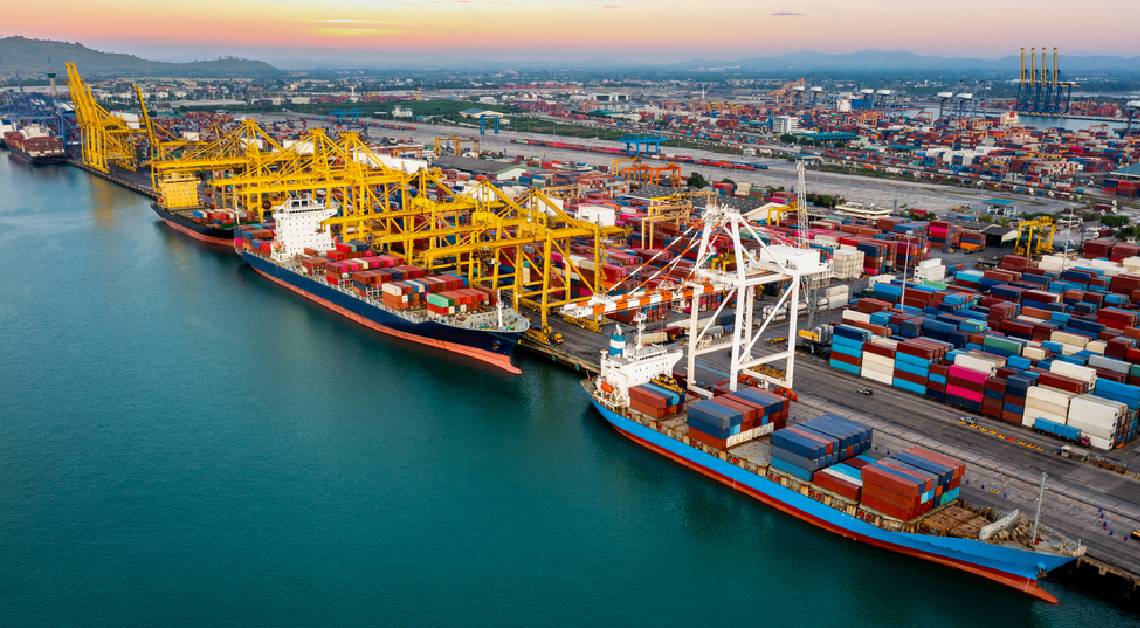
A vessel arriving at a US port is only one point in a much longer logistics journey. Before cargo reaches its final destination, freight teams may need to deal with terminal congestion, customs clearance, container availability, drayage, warehouse appointments, and inland transportation. A small delay at the port can quickly affect everything that follows.
This is why data has become so important for ocean freight forwarding companies United States. Port data analytics brings together information about vessel schedules, terminal activity, cargo movement, congestion, dwell times, and inland transportation to help logistics teams make better decisions. In simple terms, port data analytics helps freight teams understand what is happening at a port, identify potential delays earlier, and plan the next stage of transportation more accurately.
At Progressive Cargo, we use technology alongside practical freight expertise to coordinate ocean, air, ground, customs, warehousing, and specialized cargo movements. Better data gives our teams a clearer picture of where a shipment stands and what may need attention next.
What Is Port Data Analytics?
Port data analytics involves collecting and interpreting operational information generated throughout the port and cargo handling process.
The data may include:
Individually, these data points tell only part of the story. Together, they can reveal patterns that help logistics teams plan more effectively.
For example, if container dwell times are increasing at a particular terminal, a freight team can account for the potential delay when planning drayage and warehouse delivery.
Why Port Visibility Matters in Ocean Freight
Ocean freight operates on schedules that involve many interconnected parties. A vessel delay does not stay at sea. It can affect container availability, truck appointments, warehouse receiving, production schedules, and final delivery.
For businesses involved in freight forwarding in USA, port visibility therefore has a much wider impact than simply tracking a ship.
Port Data | What It Can Help Reveal |
Vessel schedules | Expected arrival and departure |
Container status | Cargo availability |
Terminal dwell time | Potential congestion |
Gate activity | Trucking delays |
Cargo volume | Capacity pressure |
Historical trends | Recurring operational patterns |
The more complete the information, the easier it becomes to prepare for what comes next.
How Analytics Helps Predict Port Delays
Port congestion can develop quickly. A terminal may experience a sudden increase in container volumes, equipment shortages, labour constraints, weather disruptions, or changes in vessel schedules.
Historical data can help identify recurring patterns.
Suppose a logistics team notices that a particular port regularly experiences longer dwell times during certain periods. That information can influence transportation planning before cargo even arrives.
Predictive analysis can help teams consider:
Alternative Drayage Timing
Trucks can be scheduled around expected terminal conditions instead of relying solely on standard appointment assumptions.
Warehouse Planning
Receiving teams can prepare for changes in container arrival windows.
Customer Communication
Potential delays can be communicated before the original delivery commitment is affected.
Inland Transportation
Rail or trucking arrangements can be adjusted when port conditions change.
The objective is not to predict every disruption perfectly. It is to reduce the number of surprises.
Connecting Port Analytics With Customs
Port operations and customs clearance are closely connected.
Cargo cannot simply move inland because a vessel has arrived. Documentation, declarations, classifications, permits, and regulatory requirements may need to be completed before release.
A well-connected freight forwarding service USA operation can combine port information with customs status to create a more useful shipment picture.
At Progressive Cargo, our customs support includes import clearance, classifications and duty drawbacks, ACI/AMS and ISF filing support, import permits, and certificates of origin.
When these activities are coordinated with transportation planning, teams can make better decisions about container pickup and onward delivery.
Port Data and Inland Transportation
The port is not the final destination.
Once cargo is released, it may need to travel by truck, rail, or a combination of modes before reaching a warehouse or consignee. That makes inland transportation data just as important as port information.
For a transportation company in USA, knowing when a container is likely to become available can help with:
This is particularly important for cargo that requires special equipment or careful handling.
How Progressive Cargo Uses a Connected Approach
At Progressive Cargo, we look at ocean freight as one part of a broader supply chain rather than an isolated transportation service.
Our capabilities include ocean freight, air freight, ground transportation, intermodal services, customs coordination, warehousing, cross-docking, consolidation, bulk liquid transportation, and heavy haul logistics.
That connected approach allows port information to be considered alongside what happens before and after the vessel movement.
For instance, a container delay may require a change in warehouse planning. An oversized shipment may require specialised inland equipment. A customs issue may affect the timing of the truck appointment.
Good logistics management means seeing those relationships.
Port Analytics Supports Better Customer Communication
Customers rarely want complicated data dashboards. They want useful answers.
When will my cargo be available? Has the vessel arrived? When can it leave the terminal? Will the delivery date change?
Port analytics helps logistics teams answer these questions using current operational information rather than assumptions. That makes communication more useful and more timely.
The value extends beyond the port itself. We have previously discussed how logistics coordination continues from port arrival to final delivery, particularly when customs, warehousing, transportation, and distribution all need to work together.
Where Port Data Analytics Is Heading
As logistics systems become increasingly connected, port analytics is likely to become more predictive and automated.
Machine learning can identify patterns across historical shipments. Digital platforms can combine carrier updates with terminal information. Automated alerts can flag potential exceptions before they become serious disruptions.
For freight teams, this means less time spent searching for information and more time acting on it.
Still, technology does not remove the need for logistics experience. Data may indicate that a shipment is at risk of delay, but experienced professionals need to determine the best response based on cargo type, customer priorities, available capacity, and transportation constraints.
Conclusion
Port data analytics has become an important part of modern ocean freight management because port conditions influence almost every stage that follows. Better visibility into vessel schedules, terminal activity, container availability, customs status, and inland transportation can help logistics teams anticipate problems and coordinate cargo more effectively.
For ocean freight forwarding companies United States, the ability to turn port data into practical decisions can improve shipment visibility, transportation planning, and customer communication. At Progressive Cargo, we combine technology with experienced freight professionals to manage ocean, air, ground, customs, warehousing, and specialized cargo requirements.
Whether a shipment requires routine container transportation or coordination with a heavy equipment transport company, we focus on connecting every stage of the journey. For ocean freight forwarding companies United States, that connected view is increasingly important as supply chains become more complex and customers expect greater visibility from port arrival through final delivery.
Also Read:- Freight Forwarding Service USA: Understanding Freight Classification And NMFC Codes
Freight Forwarding Service USA: A Technical Guide To Multi-Origin Shipment Consolidation
More useful Links:- Aerospace Logistic Services | Breakbulk Shipping & Project Cargo | Reliable Air Freight Solutions
FAQs
Port data analytics involves analysing information such as vessel schedules, terminal activity, container availability, dwell times, cargo volumes, and transportation movements. It helps freight teams understand port conditions, identify potential delays, and make better decisions about cargo movement and inland delivery.
2. How can port analytics reduce freight delays?
Port analytics can reveal congestion, increasing dwell times, vessel schedule changes, and other operational patterns. Logistics teams can use this information to adjust truck appointments, warehouse planning, delivery schedules, and customer communication before a port disruption creates larger supply chain problems.
3. Why is port data important for freight forwarders?
Port data gives freight forwarders better visibility into cargo availability and terminal conditions. This information supports transportation planning, customs coordination, warehouse scheduling, and delivery management, helping logistics teams respond more effectively when vessel schedules or port operations change.
4. Can port analytics support inland transportation planning?
Yes. Port information can help logistics teams estimate when containers may become available and coordinate trucks, rail, warehouses, and delivery appointments accordingly. This is especially useful when cargo requires specialised equipment, transloading, or carefully timed inland transportation.
5. Does port analytics replace logistics professionals?
No. Analytics provides information and identifies patterns, but experienced logistics professionals still need to interpret those findings. Cargo characteristics, customer deadlines, customs requirements, carrier availability, and transportation constraints all require practical judgement when planning the next step.