 +1 289 719 0290
- Progressive Cargo Inc-855 Matheson Blvd East, Unit 1B, Mississauga, ON, L4W 4L6
 +1 289 719 0290
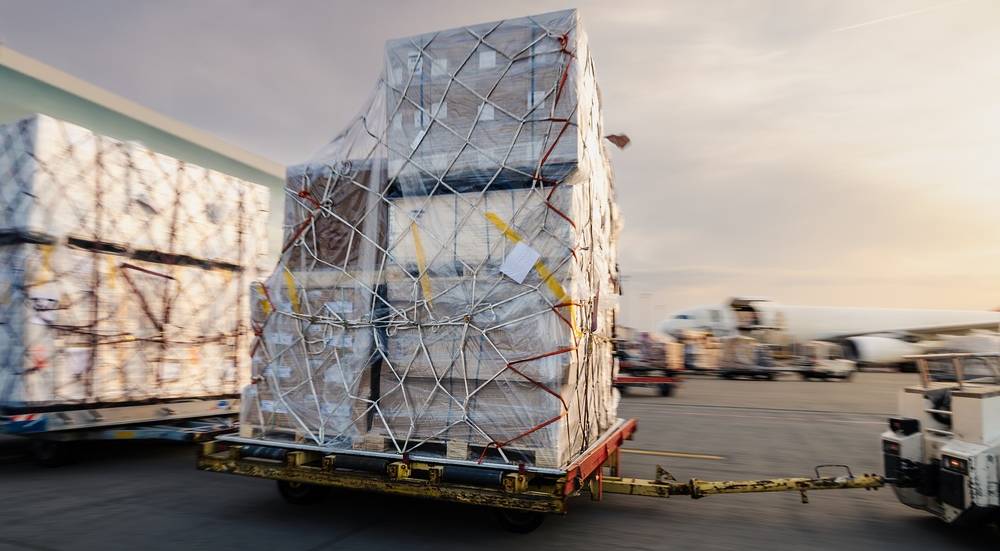
Global aerospace logistics ensures the timely movement of aircraft parts and equipment, helping airlines maintain operations, reduce downtime, and keep aviation supply chains running smoothly.
Aircraft do not wait. That is one of the first realities anyone entering aviation logistics understands. A grounded aircraft, even for a few hours, can disrupt schedules, affect passengers, and create financial strain. Behind the scenes, a quiet but highly coordinated system works to prevent that. This is where global aerospace logistics comes into play.
At Progressive Cargo, we often describe it as a network that operates under pressure, where timing is not just important; it is everything.
Not all logistics sectors operate under the same conditions. Aerospace has its own set of demands.
Parts are often high-value. Regulations are strict. And delays are rarely acceptable.
This combination creates a system where precision matters more than scale.
At the heart of aerospace logistics lies one essential function: moving parts where they are needed, when they are needed.
This is where aircraft shipping becomes critical.
Whether it is an engine component, avionics system, or structural part, the process requires careful planning.
We have seen shipments where even a small delay could lead to grounded fleets. That level of urgency shapes every decision.
To understand how everything connects, it helps to break down the journey.
| Stage | Activity | Focus Area |
| Parts Sourcing | Supplier coordination | Availability |
| Transport Planning | Route and mode selection | Speed and safety |
| Shipment Execution | Movement via air or sea | Time sensitivity |
| Customs Clearance | Regulatory compliance | Documentation |
| Final Delivery | Delivery to the maintenance base | Precision timing |
Each stage carries weight. Missing one detail can affect the entire chain.
Speed is expected in aerospace logistics, but flexibility is just as important.
Situations change quickly. A part may suddenly be required in a different location. Weather conditions may affect routes. Aircraft schedules may shift.
This is where adaptive planning becomes essential.
At Progressive Cargo, we build systems that allow adjustments without losing control over timelines. It is not about reacting late. It is about staying ready.
There are moments when logistics moves from planned to immediate.
Aircraft-on-Ground situations are one example. They demand instant action, often across continents.
Many of our clients come to better understand the urgency after exploring how time-critical AOG situations are handled in aerospace logistics. It brings clarity to how quickly operations must align.
These scenarios are not everyday events, but they define the standards of the industry.
Not all aerospace cargo fits neatly into standard containers.
Large aircraft components, such as fuselage sections or wings, require specialised handling. This is where aircraft shipping intersects with tailored logistics solutions.
In some cases, traditional container shipping is not suitable. Alternative methods must be used, depending on size and structure.
Modern aerospace logistics relies heavily on visibility.
Clients want to know where their shipment is, not just at departure and arrival, but throughout the journey.
These tools do not replace human expertise. They support it.
Even with advanced systems, challenges remain.
The goal is not to remove all complexity. That is not realistic. The goal is to manage it effectively.
At Progressive Cargo, we approach aerospace logistics as a balance between urgency and control.
We work closely with clients to understand not just their shipments, but their operational timelines. Because in aviation, logistics is not separate from operations. It is part of it.
We focus on planning ahead, but also on staying flexible when plans shift. That combination matters more than most realise.
The importance of global aerospace logistics continues to grow as aviation becomes more interconnected.
From routine part deliveries to complex movements involving break bulk freight, the system must handle a wide range of requirements without losing speed or accuracy.
At Progressive Cargo, we see this sector as one of the most demanding, yet one of the most precise. When done right, it keeps aircraft moving, schedules intact, and supply chains functioning without interruption.
Also Read:-
Bulk Chemical Transport Compliance Guide Covering ADR, IMDG, and TDG Frameworks
Freight Forwarder Canada Explained: From Incoterms To End-To-End Cargo Visibility
More Useful Links :-
Freight Forwarding Service USA | Logistics Transport Company | Freight Forwarding in Canada