 +1 289 719 0290
- Progressive Cargo Inc-855 Matheson Blvd East, Unit 1B, Mississauga, ON, L4W 4L6
 +1 289 719 0290
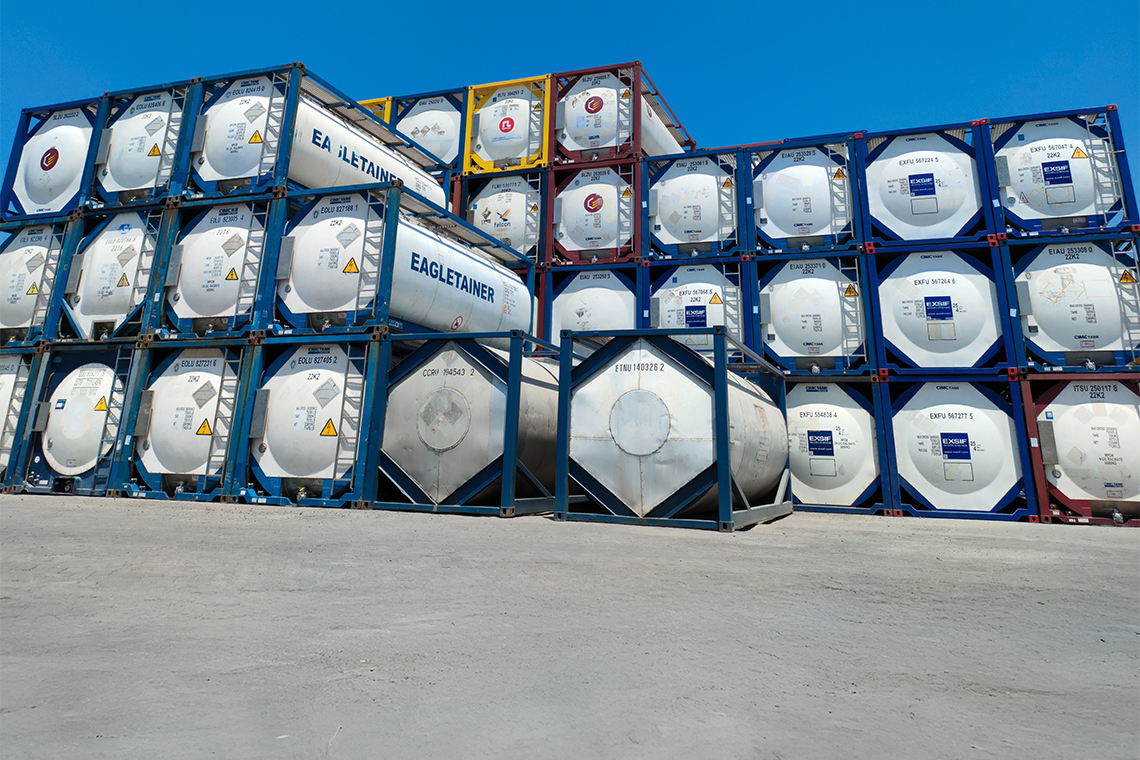
Moving liquid cargo is never just about movement. It is about control. Temperature, pressure, contamination risk, and timing all sit quietly in the background, waiting for a single mistake. This is why businesses that deal in fuels, chemicals, food-grade liquids, or industrial inputs rely heavily on liquid bulk freight brokers.
At Progressive Cargo, we work with clients who cannot afford surprises mid-transit. Sensitive liquids demand planning that goes beyond standard freight logic. Risk reduction starts long before a tank is filled and continues until the last valve is sealed at the destination.
Liquids behave differently from solid cargo. They shift. They react. They respond to heat, motion, and time.
Some of the most common risk factors include:
Each risk may look small on paper. Combined, they can halt production lines or create safety hazards.
A freight broker in this space does not simply find capacity. The job is closer to orchestration.
Liquid bulk freight brokers coordinate carriers, tank operators, inspectors, terminals, and regulators as one working unit. When done correctly, no single link operates in isolation.
At Progressive Cargo, we step into this role early. We ask what the liquid is, how it behaves, what it cannot tolerate, and where failure is most likely to occur.
The tank itself is the first line of defense.
Different liquids require different tank specifications. Choosing incorrectly introduces risk before transit even begins.
| Factor | Why It Matters |
|---|---|
| Material lining | Prevents chemical reaction or corrosion |
| Tank cleanliness | Avoids cross-contamination |
| Insulation | Maintains temperature stability |
| Pressure rating | Protects against expansion or contraction |
For clients involved in bulk chemical transport, tank history matters as much as tank type. We verify prior cargo, cleaning certificates, and inspection records before loading approval.
Some liquids tolerate minor variation. Others do not.
Transit routes pass through changing climates. Day heat, night cold, port delays. These shifts can alter viscosity or stability.
We plan routes and schedules with environmental exposure in mind. When required, we arrange insulated tanks, heating coils, or controlled discharge windows. This level of detail is routine for us, not an exception.
Liquid bulk freight often crosses multiple regulatory zones. Each brings its own rules. Documentation errors are a leading cause of detention and inspection holds.
Key compliance areas include:
For bulk chemical transport, even minor misclassification can trigger secondary inspections. We review documentation line by line, because assumptions cost time and credibility.
Once cargo is in motion, silence is not safety.
We use real-time tracking and carrier reporting to maintain visibility. If a vessel is delayed or a terminal is congested, we respond early. Sometimes that means adjusting discharge ports. Sometimes it means holding cargo under controlled conditions rather than forcing movement.
Risk reduction is often about knowing when not to rush.
Ports introduce their own variables. Congestion, labor schedules, storage limits. Liquid cargo cannot always wait dockside. Transfer windows must be planned carefully.
We coordinate terminal bookings, pumping schedules, and inspections so that cargo flows through ports rather than sitting inside them. This reduces exposure and shortens dwell time.
Some shipments sit at the intersection of liquid bulk and industrial scale. Think reactors, plant feedstock, or trial-phase chemicals.
These scenarios borrow principles from project cargo handling, where sequencing and timing matter as much as capacity. Our experience across complex cargo allows us to manage these overlaps without confusion.
Sensitive liquid cargo does not forgive shortcuts. Risk reduction is the result of structure, repetition, and calm decision-making under pressure. This is why businesses depend on liquid bulk freight brokers who understand behavior, not just logistics.
At Progressive Cargo, we approach every liquid shipment as a system, not a single move. As complexity increases, our comprehensive project cargo handling service ensures that even sensitive loads are handled with discipline and control.
Also Read:-
Ocean Freight Services In Canada Explained For Businesses Planning Global Expansion
How Transloading Works – From Drums to ISO Tanks and Beyond
More Useful Links:-
Heavy Equipment Transport | Flexitank Transport | Bulk Tanker Freight Service
1. Why are liquid shipments considered higher risk than dry cargo?
Liquid cargo reacts to temperature, motion, and pressure changes. Small variations can affect quality or safety. Unlike dry goods, liquids require controlled equipment, careful handling, and continuous monitoring to reduce contamination, leakage, or stability risks during transit.
2. How do brokers help prevent contamination in liquid freight?
Brokers verify tank history, cleaning certifications, and inspection reports before loading. They ensure material compatibility between tank linings and cargo, reducing the chance of residue interaction or chemical reaction during transport.
3. What role does route planning play in liquid bulk transport?
Route planning considers climate zones, port congestion, transit time, and discharge readiness. Proper routing minimizes temperature exposure, reduces idle time, and ensures cargo reaches its destination within safe operational limits.
4. When should businesses involve a freight broker for liquid cargo?
A broker should be involved at the planning stage. Early involvement allows proper equipment selection, compliance checks, and risk mapping, which prevents costly corrections once the cargo is already in transit.