 +1 289 719 0290
- Progressive Cargo Inc-855 Matheson Blvd East, Unit 1B, Mississauga, ON, L4W 4L6
 +1 289 719 0290
In the world of bulk liquid logistics, bulk chemical transportation in USA often requires more than just one container or one mode of travel. That’s where transloading comes in—a strategic process that allows you to move cargo between different types of containers and transportation modes—without compromising product integrity, safety, or compliance.
At Progressive Cargo, transloading is more than just a transfer. It’s a carefully orchestrated process that ensures your bulk liquid arrives exactly how, when, and where it’s needed.
What Is Transloading?
Transloading refers to the transfer of cargo from one container or mode of transportation to another, often used when your origin and destination are not directly connected by a single mode.
For bulk liquid shippers, this typically involves:
When it comes to chemical bulk transportation, flexibility and compliance are key. Transloading helps meet both, especially for companies managing multiple cargo types or packaging formats.
Why Is Transloading Important?
Transloading enables companies to:
Whether you’re a chemical manufacturer importing in ISO tanks or distributing to end users in 55-gallon drums, transloading provides the logistical flexibility your supply chain needs. As part of our chemical bulk transportation services, we ensure each transfer is done with precision, safety, and regulatory compliance.
Common Bulk Liquid Transloading Scenarios
| Inbound Container | Outbound Format | Use Case Example |
| ISO Tank | Bulk Tanker Trailer | Importing chemicals to Canada from Europe |
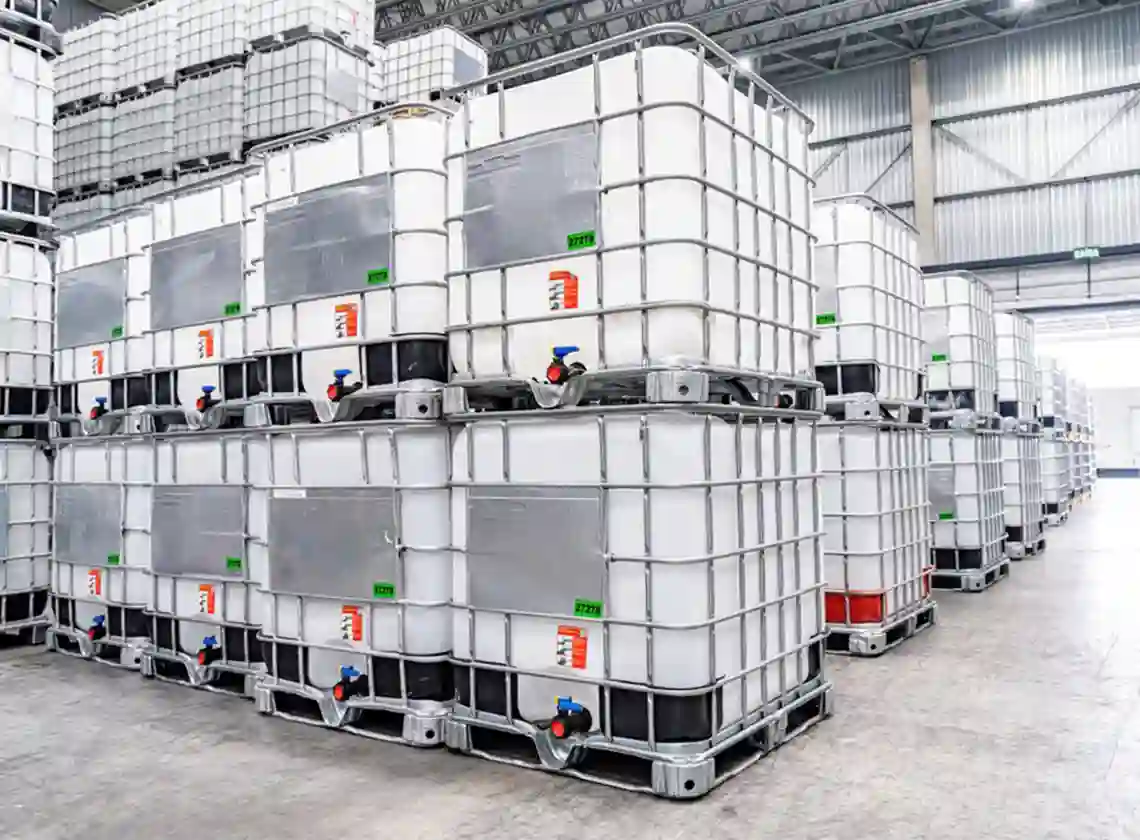
| Rail Tank Car | IBC Totes | Domestic redistribution of solvents |
| Drums (55 gal) | ISO Tank | Exporting reformulated blends |
| Flexitank | Storage Tank | Transfer of food-grade oil for processing |
| Tanker Trailer | Drums or Pails | Regional delivery to smaller end users |
How the Process Works (Step-by-Step)
Safety & Compliance in Transloading
At Progressive Cargo, all transloading operations follow strict PIP, CTPAT, and DOT compliance standards. Our certified teams manage:
We also provide full ELD-compliant documentation and real-time inventory tracking through our transloading network.
Who Uses Transloading Services?
Boost Flexibility. Cut Costs. Stay Compliant.
No matter if you’re shifting liquids across borders, between transport modes, or into various containers, transloading enables a more scalable and efficient supply chain. And when it comes to bulk chemical transportation in USA, Progressive Cargo leads with experience and care.
We operate state-of-the-art transload hubs designed for chemicals, food-grade materials, and specialty liquids. As trusted freight forwarders in New York, we manage the process end to end—so you can focus on growing your business.
FAQs
1. What is transloading from drums to ISO tanks?
Transloading from drums to ISO tanks involves transferring compatible liquid cargo from drums into an ISO tank for bulk transportation, storage, or further distribution.
2. How does the drum to ISO tank transloading process work?
The process generally involves receiving the drums, inspecting the cargo and equipment, transferring the liquid into an ISO tank using suitable equipment, and completing the required handling and documentation procedures.
3. What types of liquids can be transferred from drums to ISO tanks?
Compatible liquid products, including certain chemicals and other bulk liquids, can be transferred from drums to ISO tanks. Product compatibility, safety requirements, and applicable regulations must be considered before transloading.
4. What are the benefits of transloading liquids into ISO tanks?
Moving compatible liquid cargo from drums into ISO tanks can support bulk transportation, reduce the need to handle numerous individual containers, and improve logistics efficiency.
5. When should a company use ISO tank transloading services?
ISO tank transloading can be considered when a shipment needs to move from packaged drums into bulk liquid transportation equipment for longer-distance, intermodal, or distribution requirements.